



You spend money on your bike. You spend money on your helmet. And then you pick up a “motorcycle jacket” or “riding hoodie”
that looks legit, has some patches and logos on it, maybe even says “CE approved” — and you assume you’re protected.
Here’s the problem: “CE approved” means almost nothing without knowing which level of CE you’re actually wearing.
There’s a massive difference between CE A, CE AA, and CE AAA. Most riders in the US have no idea this difference exists — and
most gear brands are perfectly happy to keep it that way.
Let’s change that.
First, What Is CE Certification and Why Should You Care?
CE stands for Conformité Européenne — it’s the European safety standard that has become the global benchmark for motorcycle
protective gear. Unlike in the US, where there’s no mandatory safety rating for riding apparel, European regulators require that
motorcycle clothing sold in Europe meets specific, tested protection levels.
The standard for motorcycle garments is EN 17092. If your riding gear doesn’t carry this rating, it means nobody has
independently tested whether it will actually protect you in a crash. No lab. No sliding tests. No impact tests. Just a company’s
word.
Think about that. Would you buy a helmet with no safety rating? Most riders wouldn’t. But many do exactly that with their
jackets, shirts, pants, and hoodies.
CE certification removes the guesswork. It tells you: this garment was tested under real crash conditions, and here’s how well it
performed.
But here’s where it gets important — not all CE ratings are equal.

CE A, CE AA, and CE AAA: The Simple Breakdown
The EN 17092 standard has three levels. Think of them like crash test ratings for your clothes.
CE A — Basic Protection
This is the entry-level certification. It means the garment offers some protection, but it’s designed more for low-speed urban
riding than highway conditions. The abrasion resistance is tested at lower impact energies. It’s better than nothing — but only
just.
CE AA — Medium Protection
This is what most of the market sells. CE AA requires significantly higher abrasion resistance, better impact protection at keyzones (shoulders, elbows, hips, knees), and passes more rigorous sliding tests. Most riders who buy “certified” gear are buying CE
AA and assuming it’s the best available. It’s not.
CE AAA — Maximum Protection
This is the highest level in the EN 17092 standard. CE AAA gear undergoes the most demanding testing — the highest abrasion
resistance requirements, the strictest impact protection standards at all protection zones, and the toughest construction
requirements. It’s what you want between you and the pavement.
Here’s a way to visualize it: imagine sliding across asphalt at highway speed after a crash. CE A gear might give way after a very
short slide. CE AA gear holds up longer. CE AAA gear is built to protect you through the full force of that impact — the
gear keeps doing its job when the road is trying to tear through it.
The difference isn’t cosmetic. It’s material selection, construction technique, and testing rigor.
Why Most Brands Don’t Offer CE AAA — And Won’t Tell You That
The uncomfortable truth is that CE AAA is harder and more expensive to manufacture. It requires better raw materials — higher
grade Kevlar, stronger abrasion-resistant panels, more carefully engineered armor placement. It takes more precision on the
production floor.
Most brands in the US motorcycle gear market are selling CE AA gear and marketing it as premium. Some are selling CE A gear
and calling it “CE approved” — which is technically true, but tells you almost nothing useful.
There’s no major reason they’d highlight this. If you don’t know CE AAA exists, you can’t ask for it. And if you can’t ask for it, they
don’t need to offer it.
The result? Riders are spending $200, $300, $400 on gear that sounds safe — “CE certified!” — but isn’t giving them the highest
level of protection available. They don’t know what they’re missing because nobody ever told them.
A Simple Rule Before You Buy Any Riding Gear
We want to say this as clearly as possible: if you’re not sure whether a garment is actually safe for riding, don’t buy it.
Not “probably safe.” Not “looks good.” Not “the brand seems reputable.” If the brand cannot show you a CE EN 17092 certificate
— with the level clearly marked — then you genuinely do not know what you’re buying.
Here’s a quick checklist to run through before any purchase:
Does it show CE EN 17092? This is the specific standard. “CE approved” on its own is not enough — it’s used on everything
from kitchen appliances to power tools.
What level is it? Look for CE A, CE AA, or CE AAA. If it doesn’t tell you, that’s a red flag.
Can the brand provide documentation? A legitimate certified product comes with traceable certification records. If a
brand can’t produce them, don’t trust the label.
Is the armor CE-rated too? The garment certifies the outer shell — but the armor inside should also carry its own CE Level 1
or Level 2 rating. Ask about both.
Does it fit properly? The armor only protects the areas it actually covers. Ill-fitting gear shifts in a crash and leaves vital
zones exposed.
You wouldn’t buy a helmet that “probably meets safety standards.” Your riding jacket or hoodie deserves the same scrutiny. A
crash doesn’t give you a second chance to wish you’d bought something better.
What OZ Moto Gear Does Differently
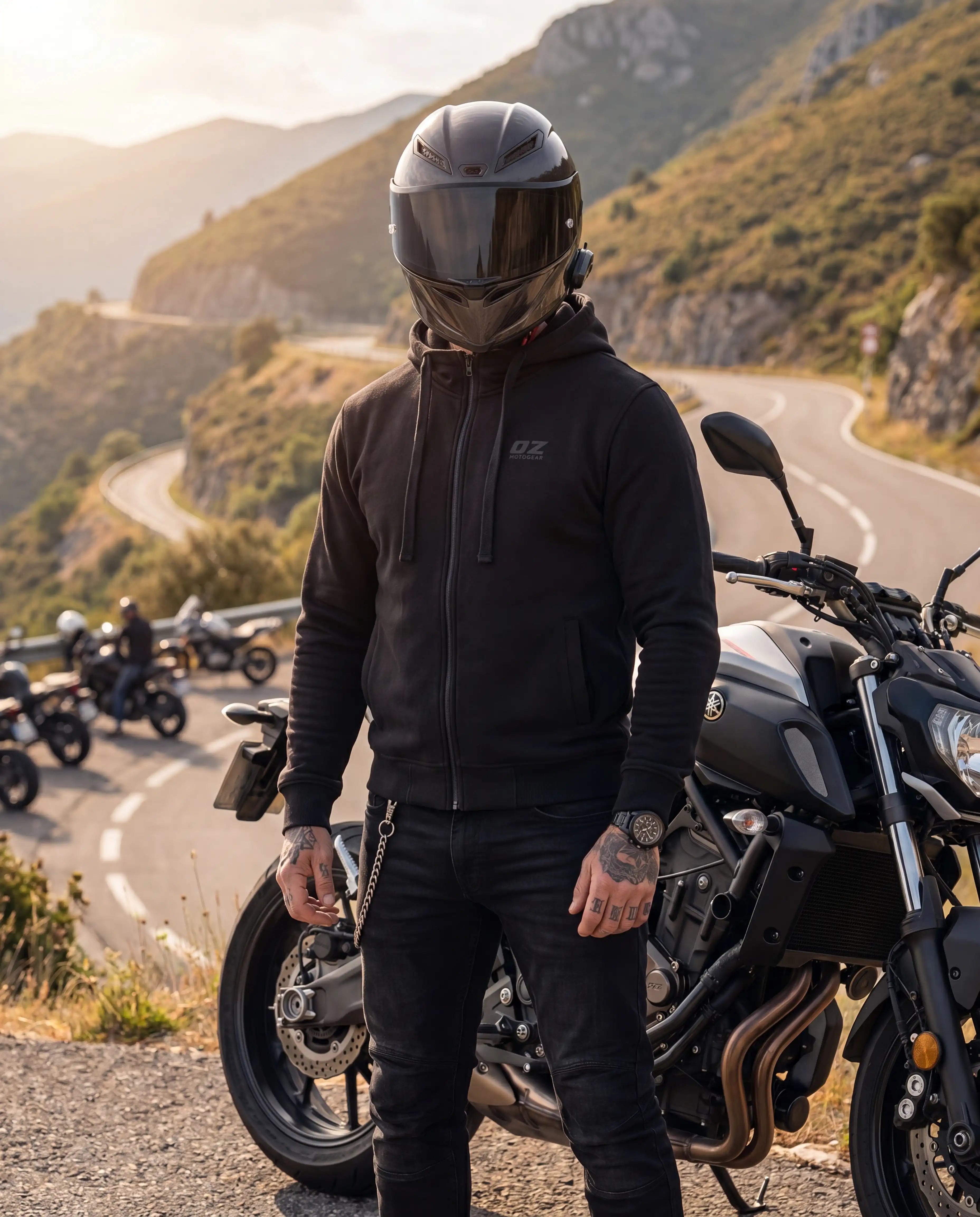
At OZ Moto Gear, every product in our collection is CE AAA certified under EN 17092 — the highest protection level in the
standard.
We’re able to do this — and offer it at prices that most brands charge for CE AA — because we’re not a middleman brand buying
from a factory and marking it up. We build our gear ourselves, using the same production expertise and raw materials that supply
some of the biggest names in the global motorcycle gear industry. That manufacturing background lets us control quality at the
source, cut out the markup chain, and pass the difference on to you.
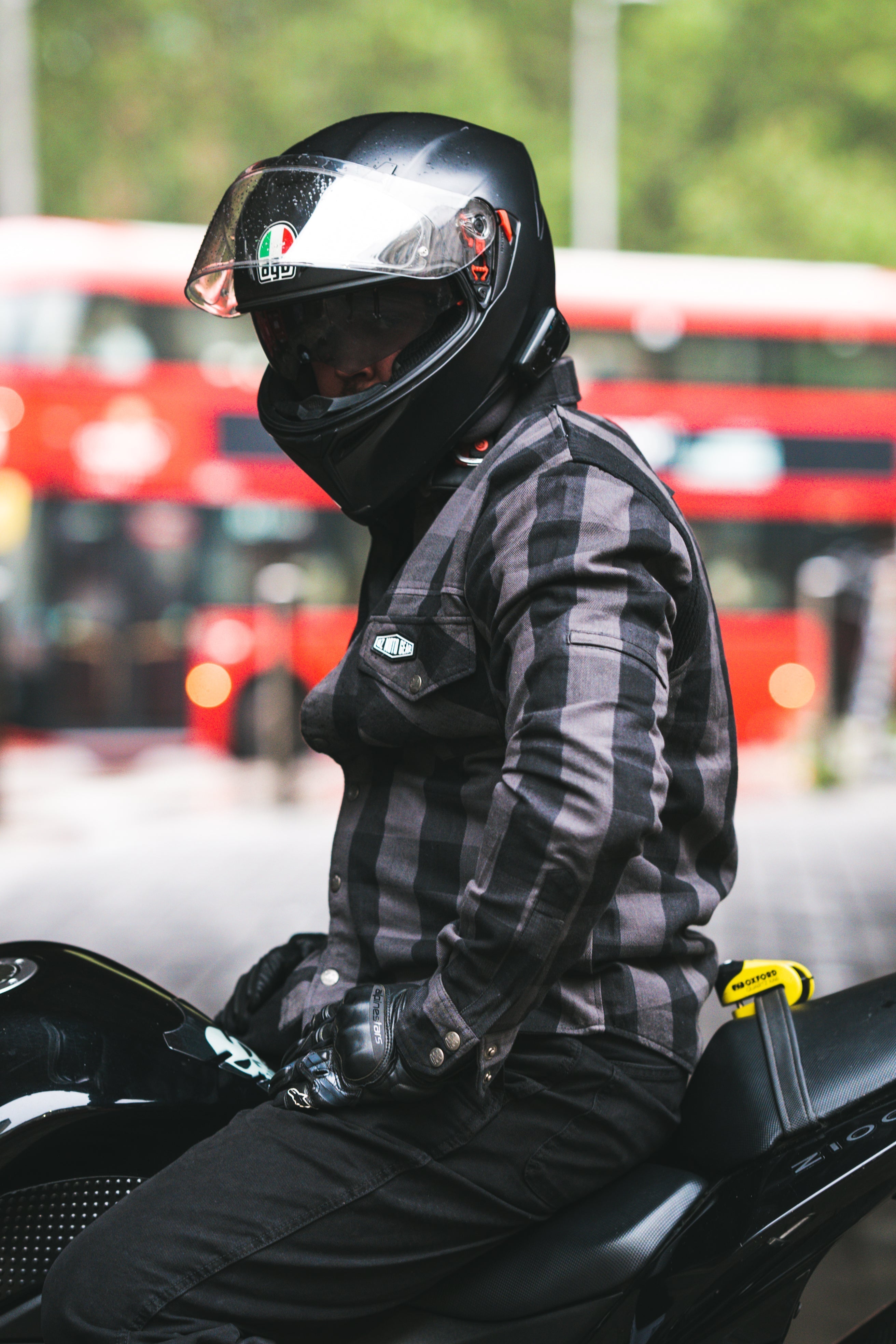
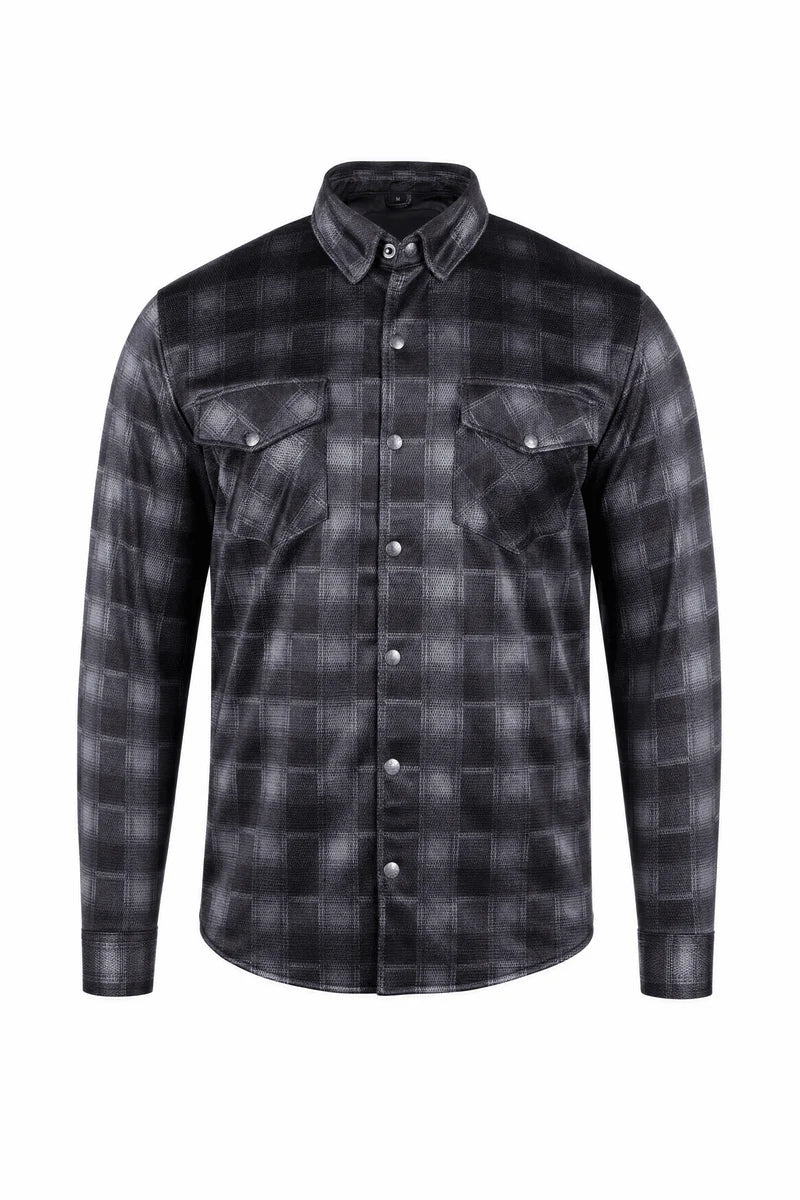
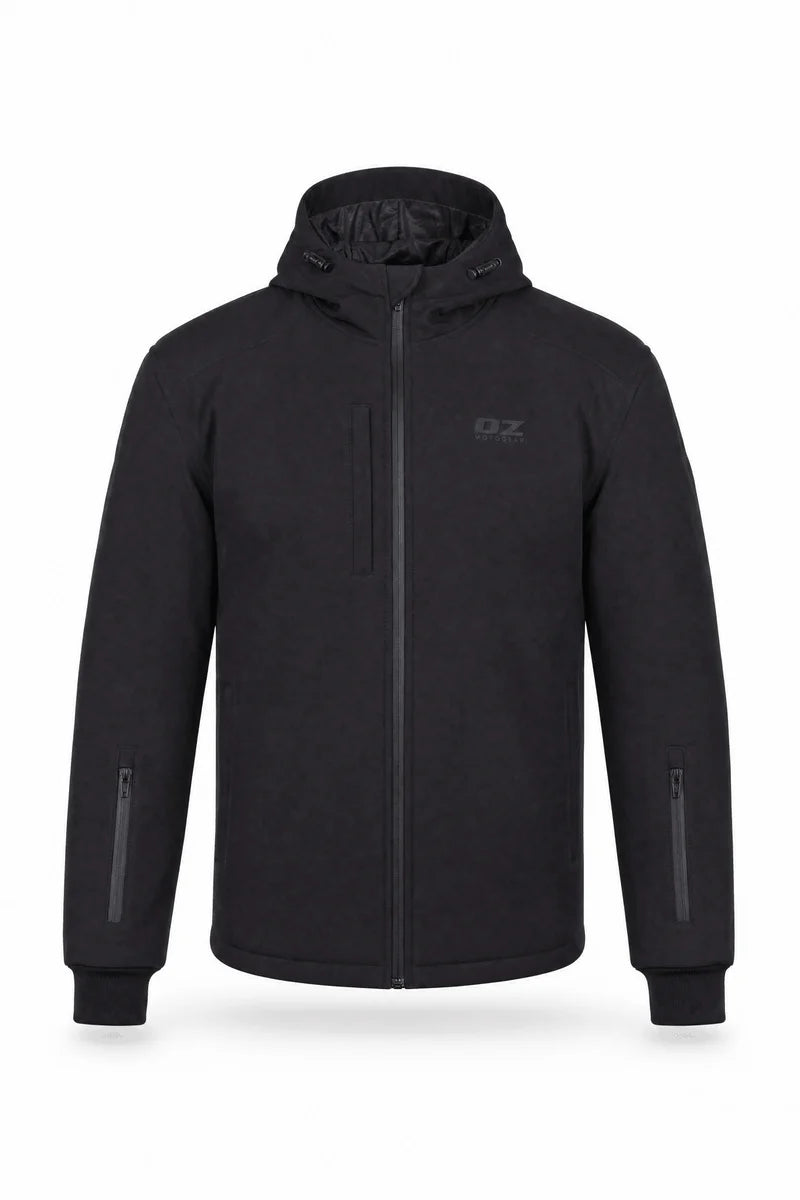
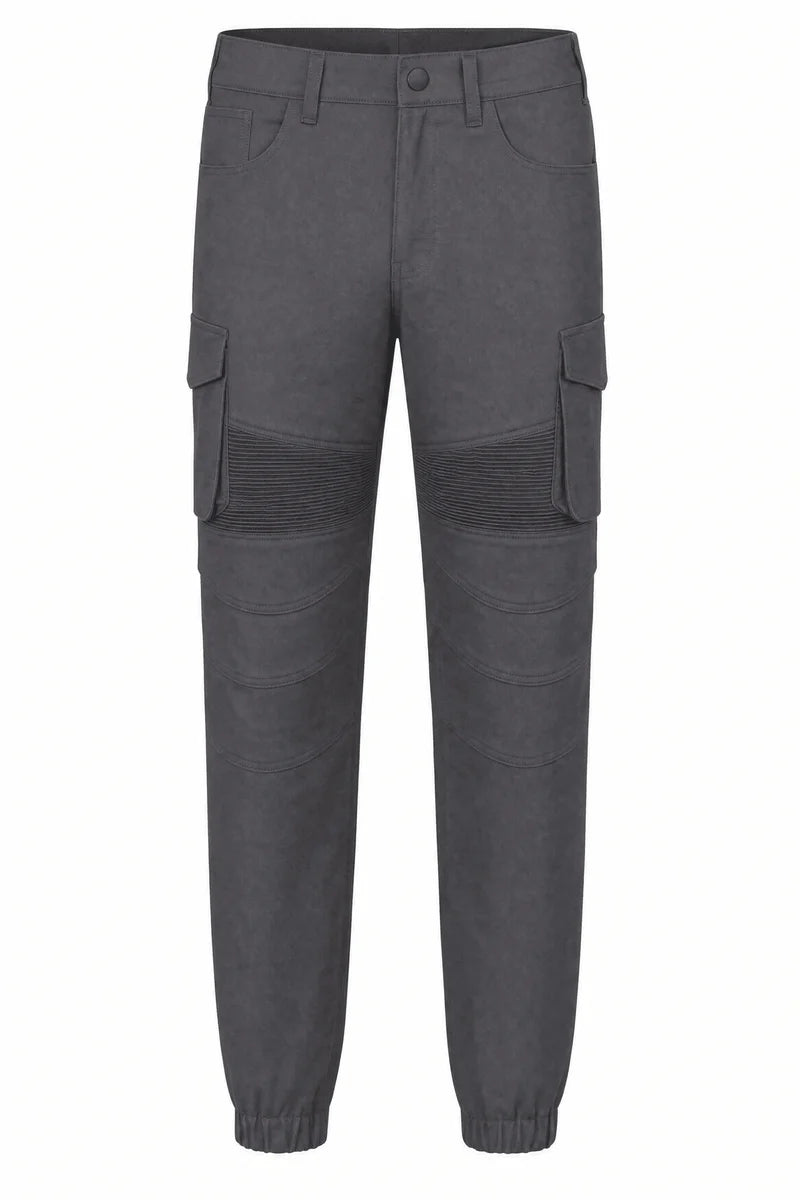
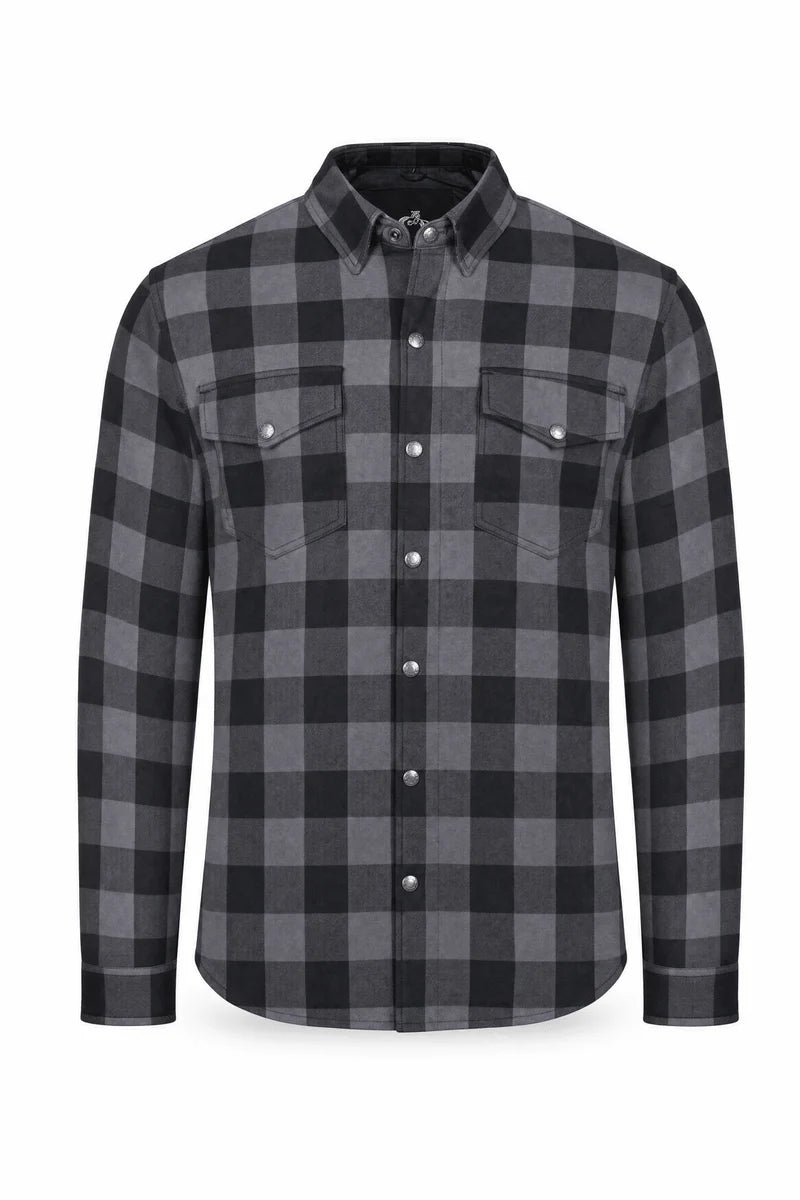
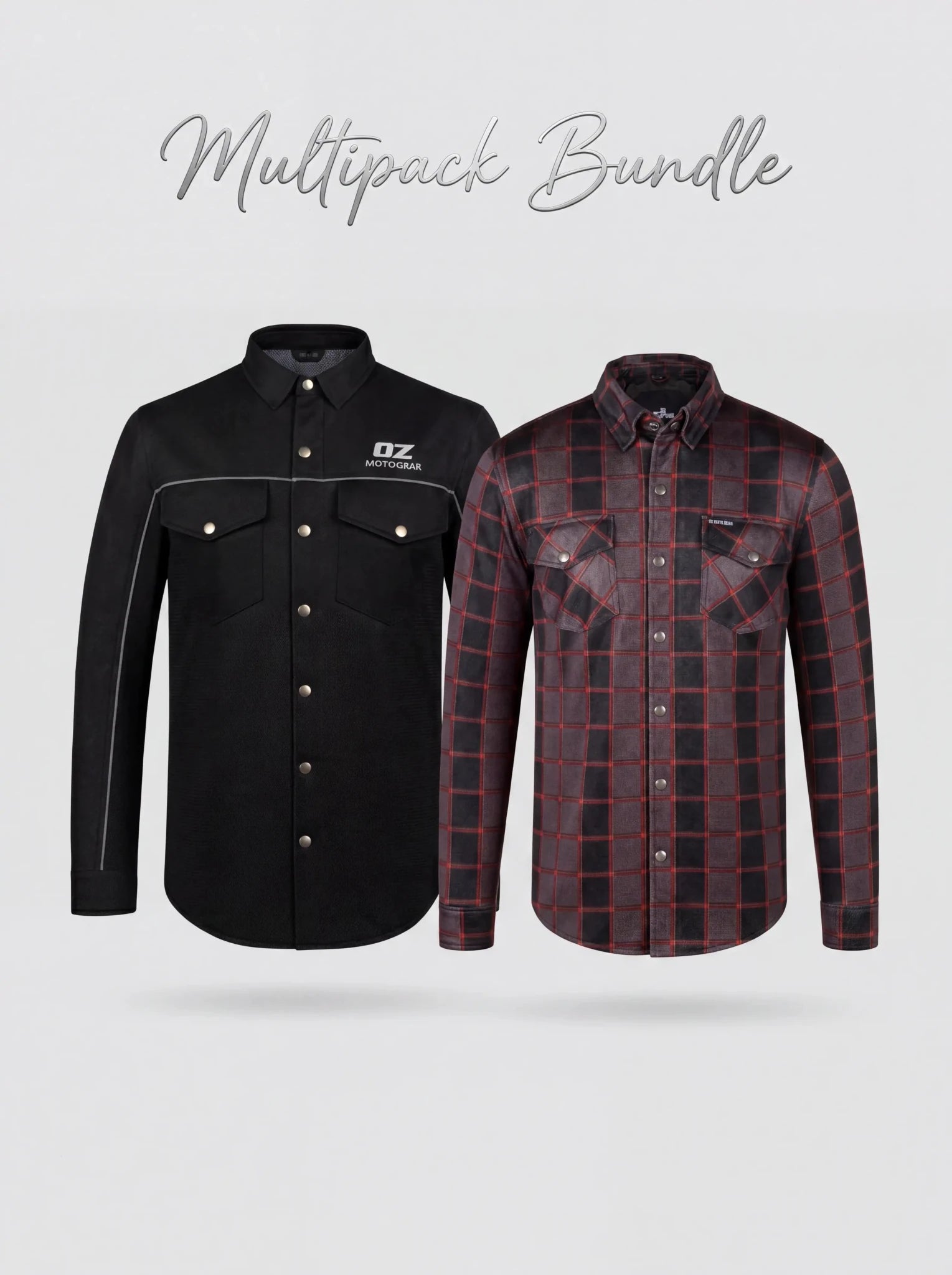
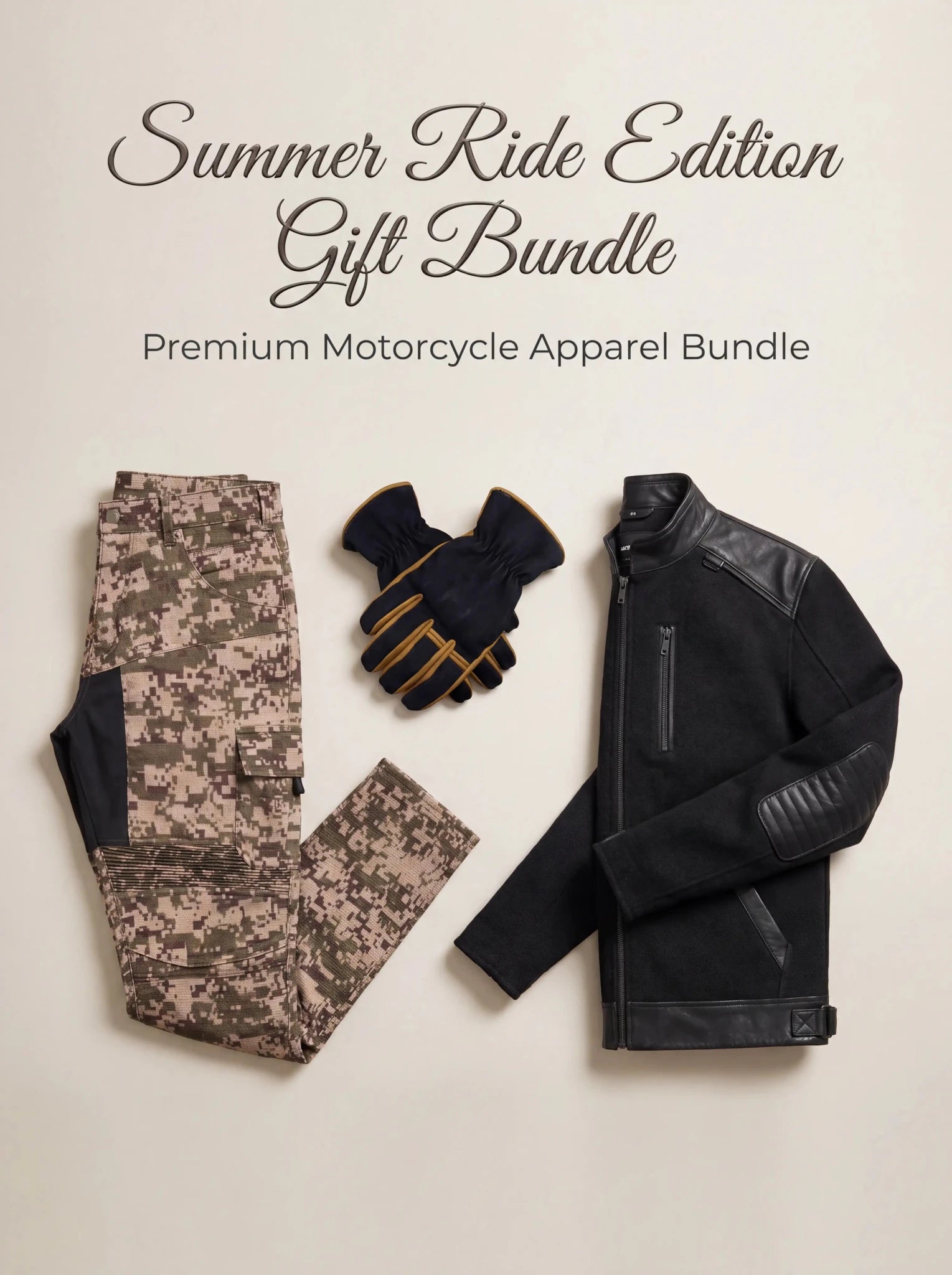
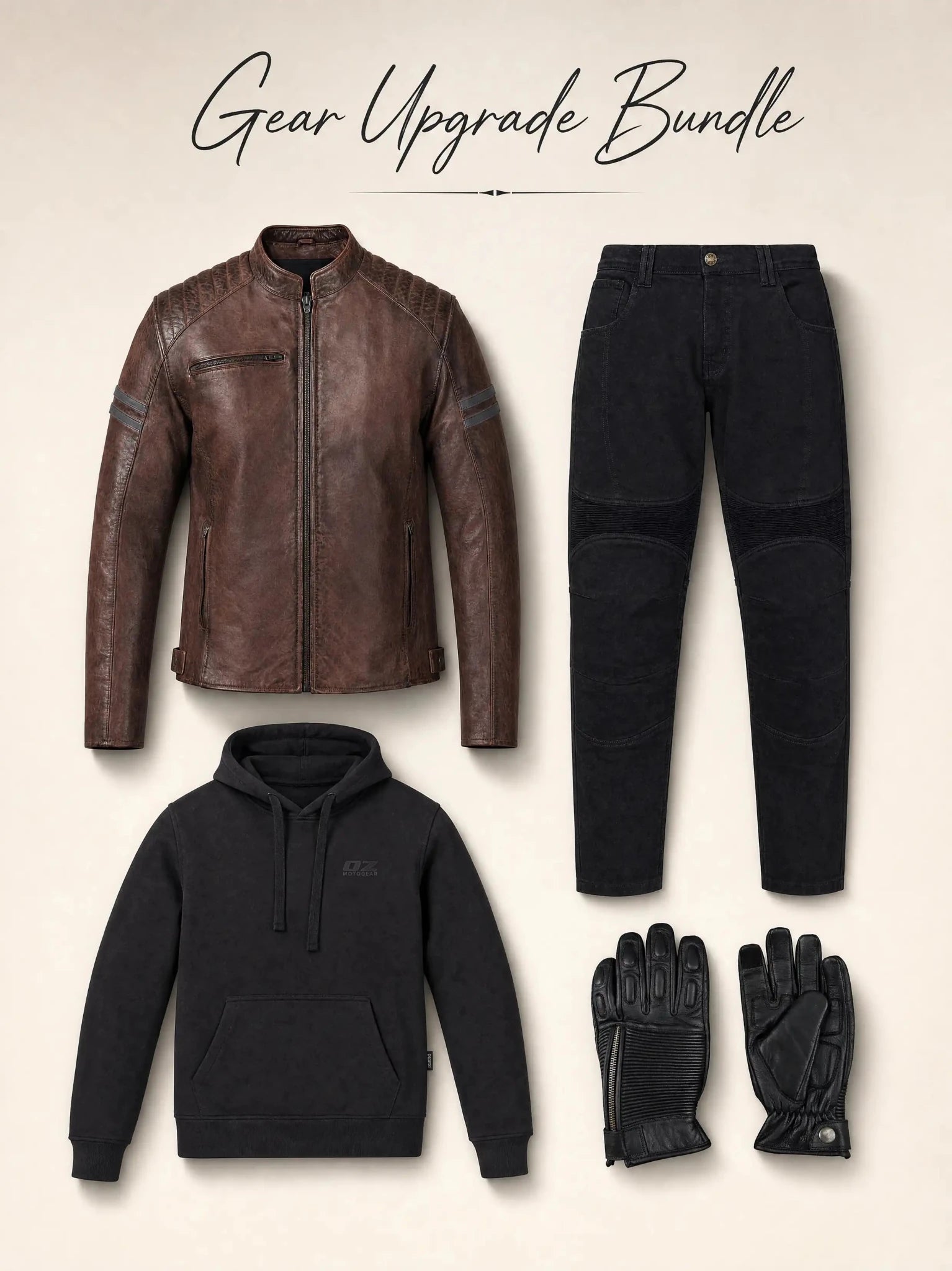
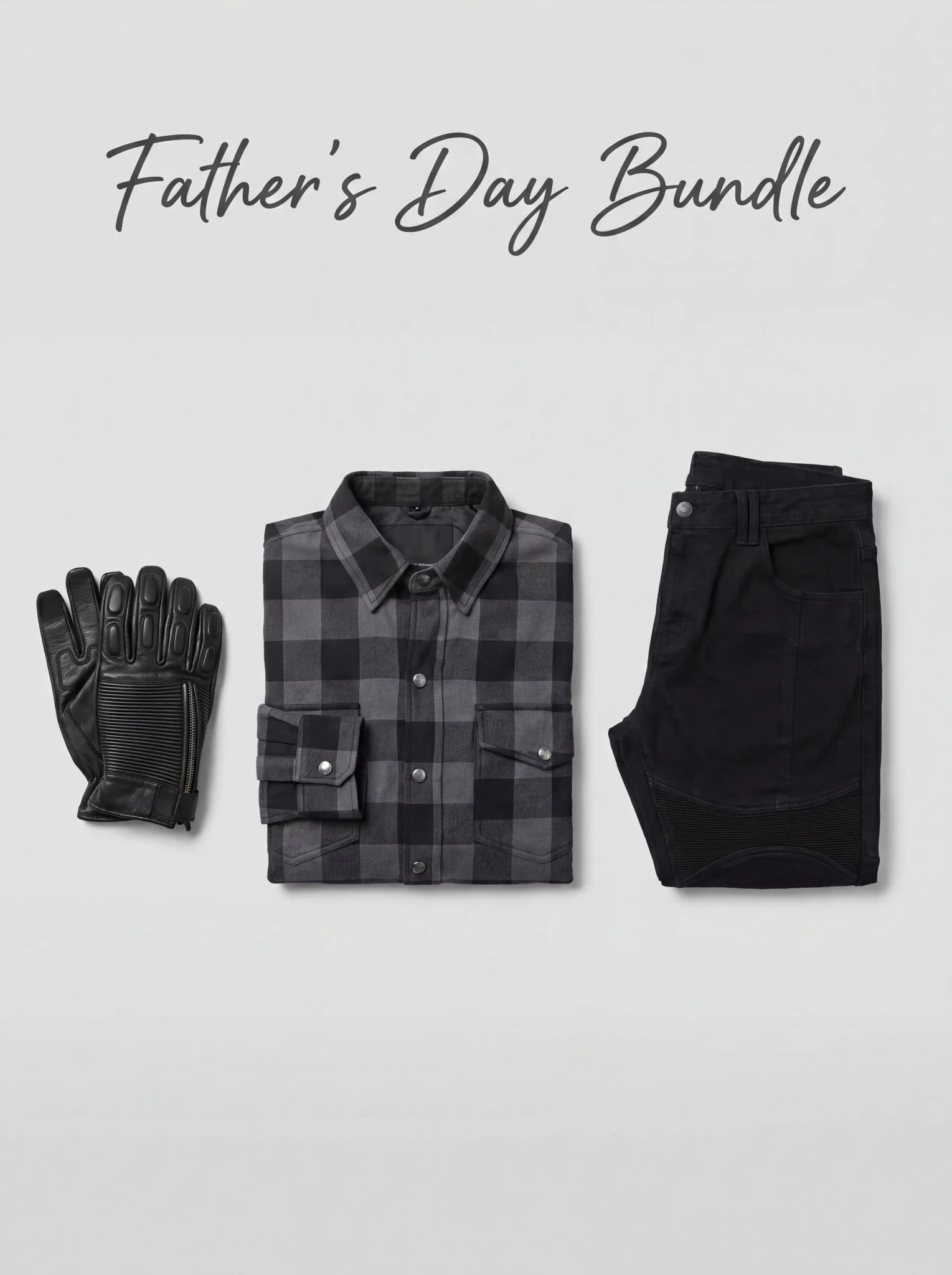
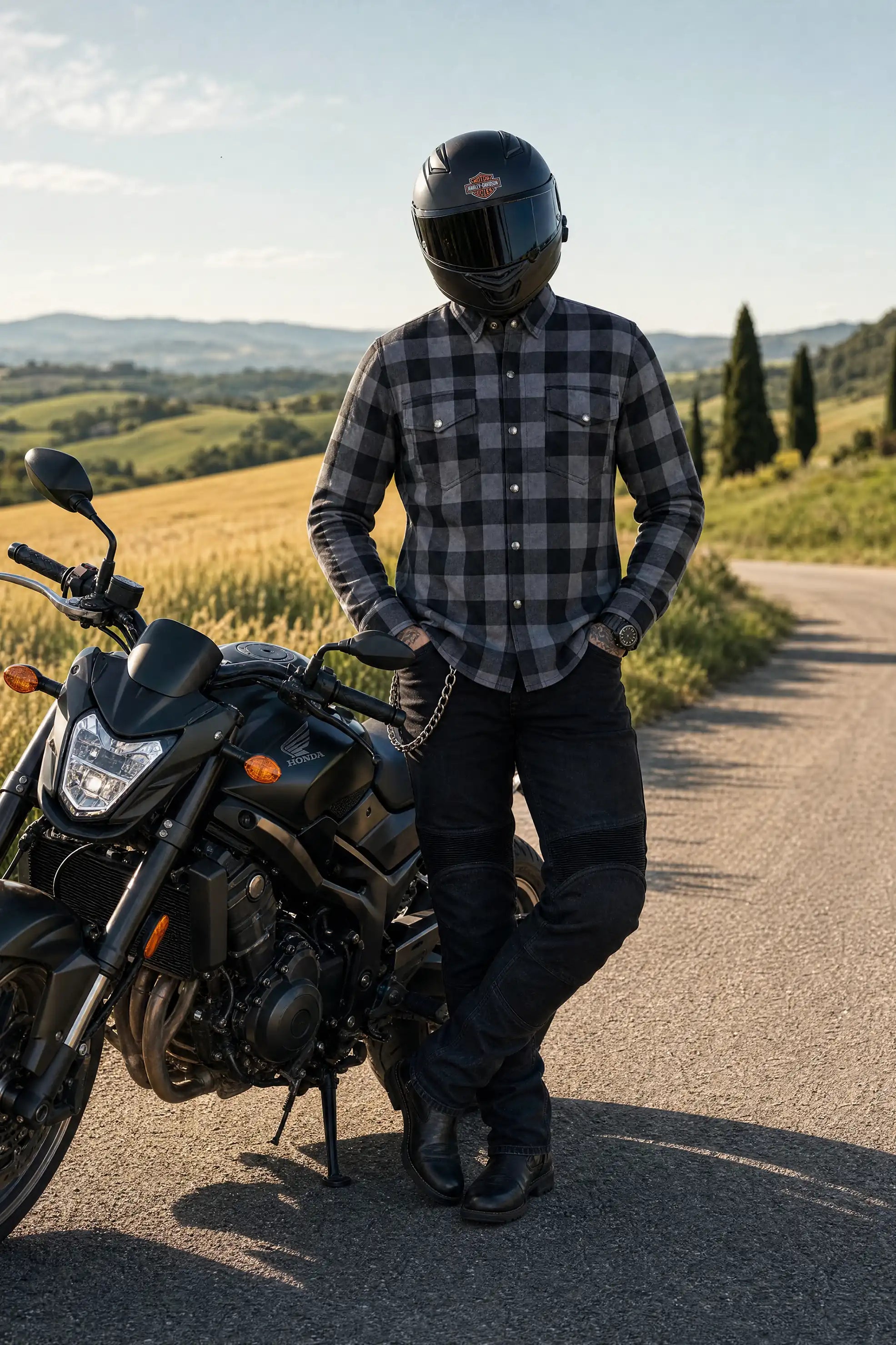
Our Guardian-Tech™ line is built to CE AAA specification across hoodies, flannel shirts, cargo pants, denim, and mesh shirts. Thearmor inside is CE-rated independently. Every garment ships with full certification documentation.
When you wear OZ Moto Gear, you’re not hoping you’re protected. You know you are.

The Bottom Line
There are three things to take away from this:
1. CE certification is not all the same. A, AA, and AAA are very different levels of protection. Most riders don’t know this. Most
brands won’t tell you.
2. CE AAA is the standard you should be buying. If you ride at speed, on highways, or anywhere outside of slow urban
streets, CE AAA gives you the protection level that the highest testing standard can verify.
3. You should never wear riding gear you can’t confirm is safe. Ask for the certification. Check the level. If a brand can’t
or won’t show you their documentation, buy from one that can.
Riding is one of the best things about being alive. The gear you put on before you ride is the last line of defense when things go
wrong. It should be the best you can afford — and CE AAA at the price of CE AA means there’s no excuse to settle for less.
[Shop OZ Moto Gear’s Full CE AAA Collection →]
Free shipping to the USA, Canada, and Europe. One-year garment warranty. CE AAA certified, every piece.
Have a question about CE ratings or how our gear is tested? Contact us — we’ll walk you through the documentation for any
product in our range.